
Protecting People, Water, and Communities

Hazardous waste management is often viewed as a regulatory requirement, but at its core, it is about protecting people, protecting water, and protecting the communities we live and work in every day. When hazardous materials are not handled or disposed of properly, the consequences rarely stay contained to one location. Even small releases can spread quickly, impacting soil, stormwater systems, and local waterways in ways that can take years — and significant cost — to correct.
In real-world situations, spills don’t always happen in controlled environments. Something as common as heating oil, fuel, or chemical liquids can move across pavement and into a nearby catch basin or storm drain. From there, contaminants can travel directly into local streams, rivers, and groundwater supplies. Once that happens, the issue is no longer just a cleanup — it becomes an environmental event that can affect entire communities. Preventative measures, like catch basin filtration systems designed to capture contaminated debris and absorb petroleum-based materials, can make a meaningful difference in stopping contamination before it spreads.
The human health risks tied to hazardous waste exposure are very real. Depending on the material and level of exposure, risks may include:
Respiratory irritation or long-term lung damage
Skin irritation, burns, or chemical absorption
Neurological impacts affecting cognitive or motor function
Increased long-term cancer risk
Children, older adults, and individuals with underlying health conditions are often the most vulnerable. In areas where improper disposal or illegal dumping occurs, communities can face ongoing exposure risks that affect long-term health and quality of life.
Water contamination is often the most difficult consequence to reverse. Once hazardous materials enter water systems, cleanup becomes significantly more complex and expensive. Petroleum products, solvents, heavy metals, and pharmaceutical compounds can remain in the environment long after the initial incident, threatening drinking water supplies and damaging ecosystems. Professional hazardous waste management helps prevent these outcomes by ensuring materials are:
Properly identified and handled
Safely transported using licensed carriers
Disposed of according to strict environmental regulations
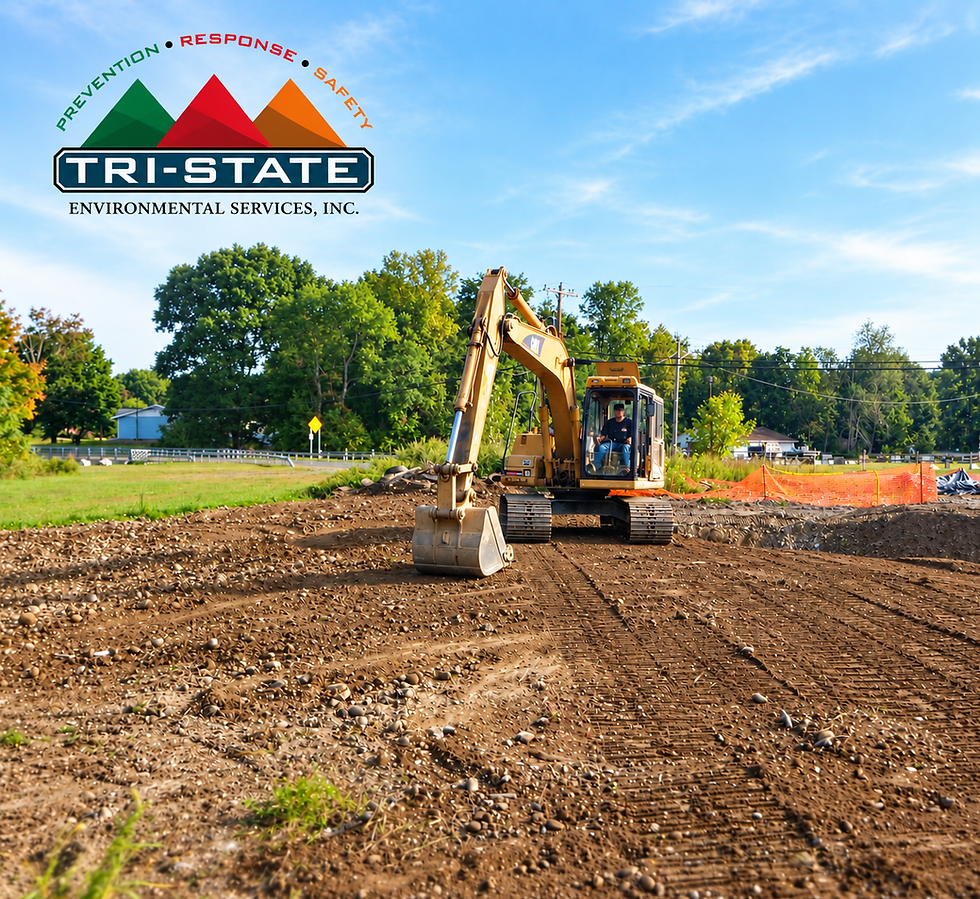
Tri-State Environmental Services approaches hazardous waste management with this bigger picture in mind. Their work is not just about compliance — it is about helping businesses, municipalities, and property owners reduce risk while protecting the communities around them. Through advanced technology, experienced field teams, and deep regulatory knowledge, they provide complete hazardous waste management solutions, from waste identification and sampling to licensed transportation and environmentally responsible disposal.
Because hazardous material incidents don’t follow a schedule, Tri-State Environmental Services provides 24/7 response support. Their goal is simple: respond quickly, contain the issue, and prevent environmental spread before it becomes a larger problem.
If you need immediate assistance or want to learn more about safe, compliant hazardous waste management, contact Tri-State Environmental Services in Hawthorne, New York.
Comments